

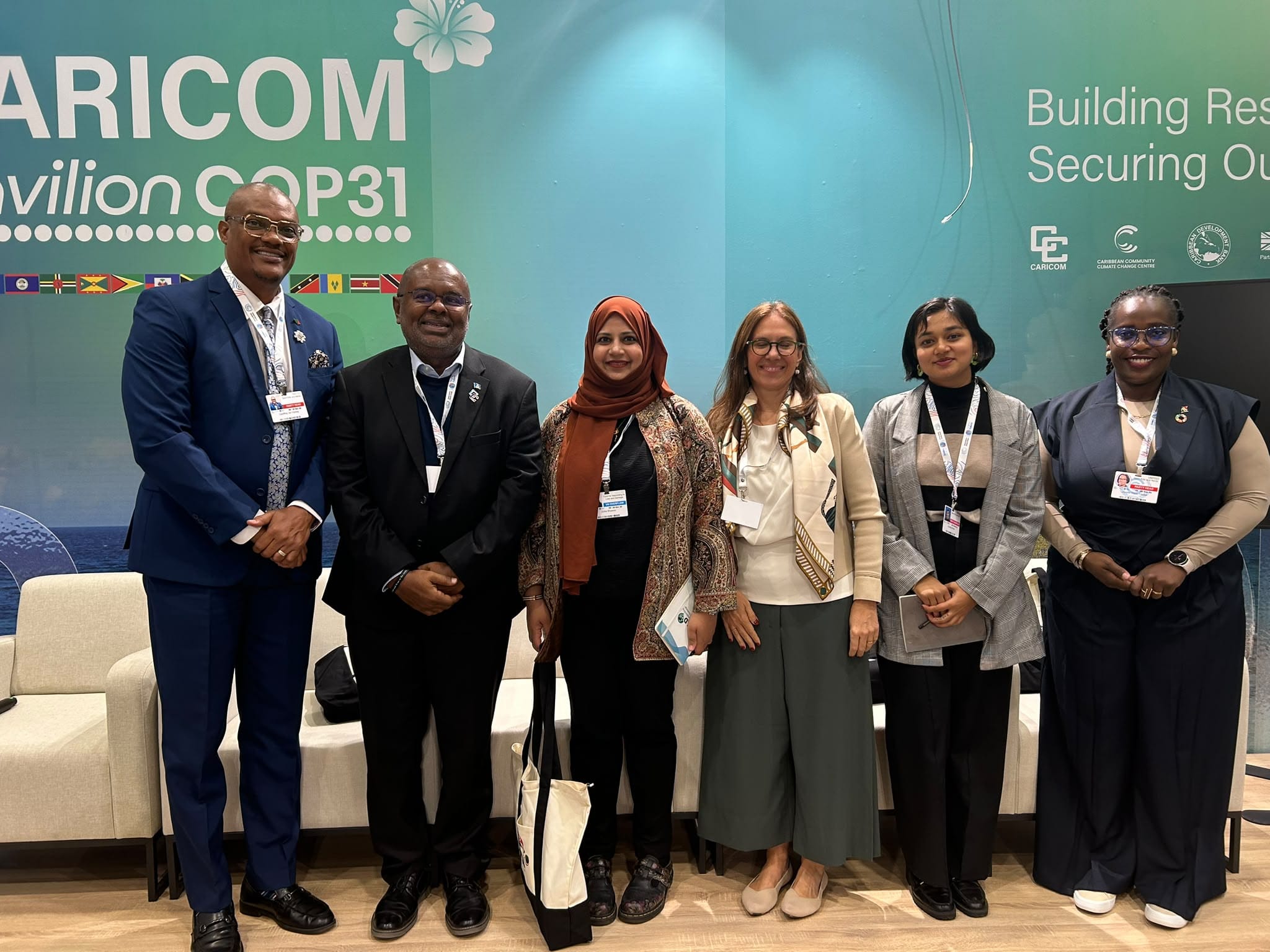
ANTALYA, TÜRKİYE (Thursday, 12th November 2026)- The Government of St. Kitts and Nevis has achieved a significant milestone in its climate resilience agenda with the official launch of its National Loss and Damage Strategy at the 31st United Nations Climate Change Conference (COP31), currently underway in Antalya, Türkiye.
The historic launch, held on Tuesday, 10th November 2026, at the CARICOM Pavilion, positions St. Kitts and Nevis as the first Caribbean nation and the second country globally to develop a dedicated national loss and damage strategy.
The initiative represents a major step in the Federation’s efforts to address the growing impacts of climate change, strengthen national resilience and improve access to international climate financing.
Addressing the gathering, Deputy Prime Minister Hon. Dr. Geoffrey Hanley emphasised that climate-related loss and damage is already affecting the lives and livelihoods of citizens across the Federation.
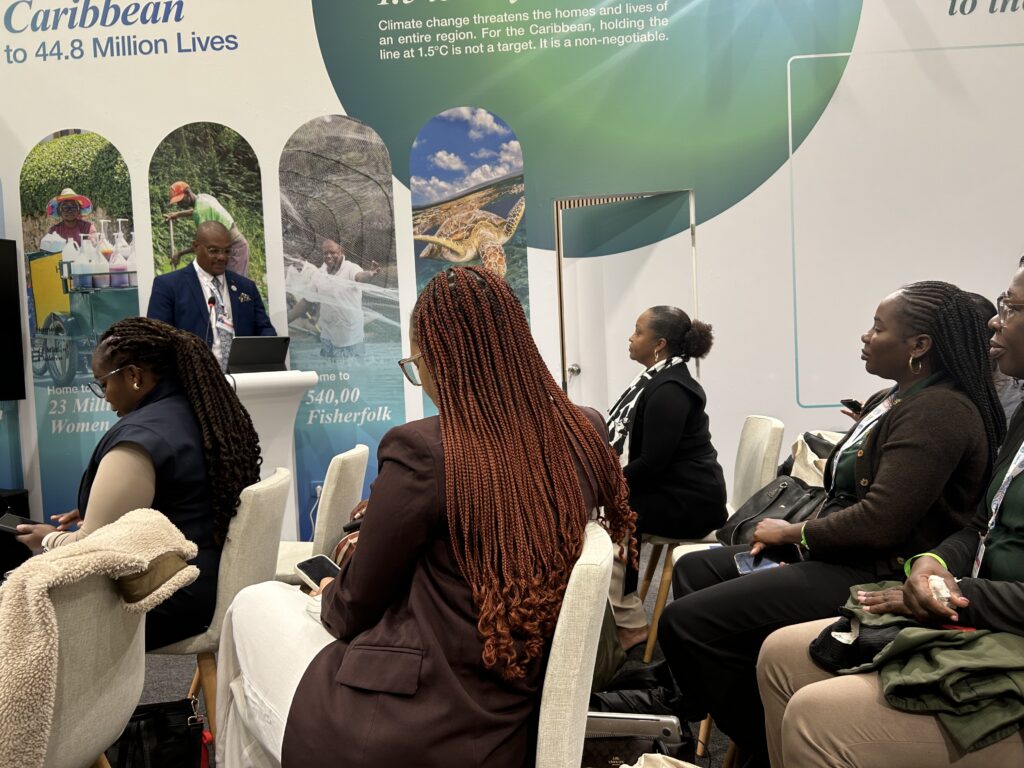
“For St. Kitts and Nevis, loss and damage is not a distant climate projection. It is our lived reality, a national development challenge and ultimately a question of climate justice,” he declared.
Dr. Hanley explained that climate change threatens not only physical infrastructure but also homes, livelihoods, food and water security, coastlines and economic stability.
He further highlighted the non-economic losses associated with climate change, including cultural heritage, biodiversity, traditional knowledge and human life.
“These are losses not simply to our economy, but to our identity, our dignity, and our future,” he stated.
The Deputy Prime Minister described the strategy as an important achievement for the Federation and the wider Caribbean, noting that small island developing states must continue taking an active role in shaping global climate responses.
“Our size must never determine the significance of our voice nor limit the ambition of our response,” he said.
Importantly, Dr. Hanley stressed that the success of the strategy would depend on its implementation, including the integration of loss and damage considerations into national development planning, infrastructure investment, agriculture, coastal management, public health and disaster risk management.
He also reaffirmed the Government’s commitment to advocating for timely, adequate and accessible international financing to support national responses to climate-related losses.
Minister of Environment, Climate Action and Constituency Empowerment, Hon. Dr. Joyelle Clarke, who delivered opening remarks, underscored the importance of moving beyond traditional climate mitigation and adaptation measures to address impacts that can no longer be avoided.
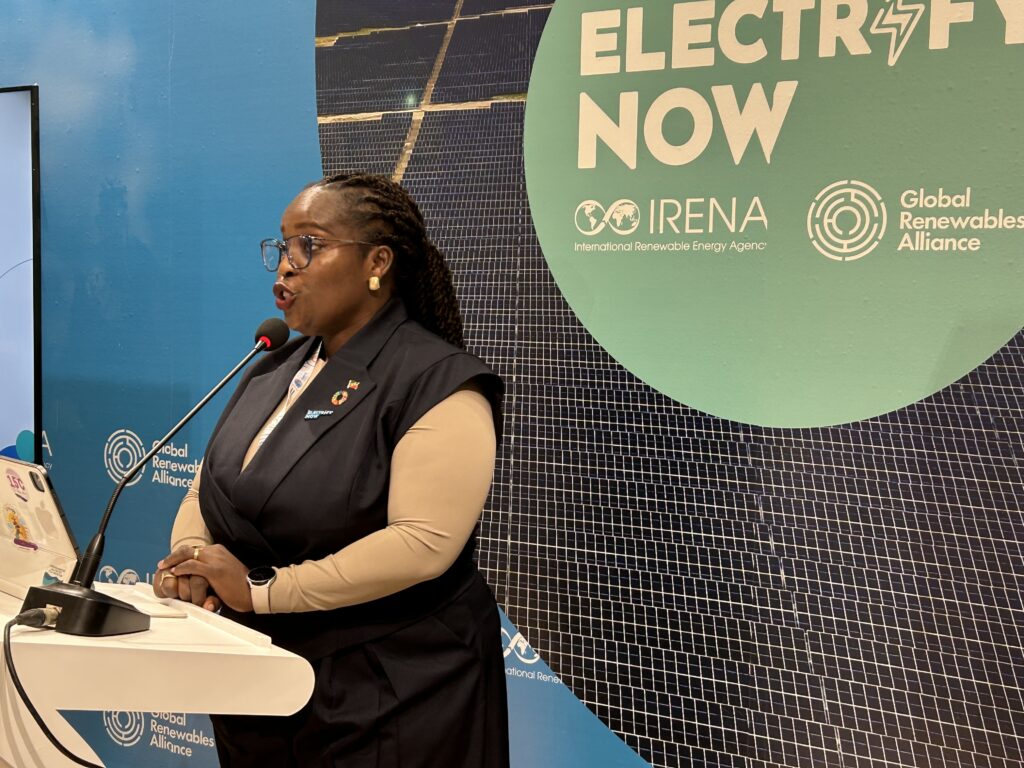
“The strategy represents more than a policy document,” Dr. Clarke stated, highlighting its importance in understanding climate risks, strengthening national systems and protecting communities.
She also acknowledged the collaborative efforts of government agencies, civil society, the private sector, community representatives and international development partners in advancing the initiative, while calling for continued cooperation to translate its recommendations into meaningful action.
Meanwhile, Director of the Climate Action Unit, Dr. Elrick Francis, delivered a detailed presentation outlining the strategy’s development, objectives and implementation priorities.

According to Dr. Francis, work on the strategy began in 2024, followed by extensive stakeholder consultations throughout 2025 and 2026. The document was finalised in October 2026 ahead of its official launch at COP31.
He explained that the strategy establishes a comprehensive national framework for responding to both economic and non-economic climate-related losses, while strengthening the Federation’s ability to access emerging international financing opportunities.
“The strategy represents not only a national planning framework, but a practical roadmap for implementation, financing, capacity building, and international engagement,” Dr. Francis stated.
Among its priorities are improved climate data collection, institutional capacity building, public awareness, financial preparedness and the integration of loss and damage considerations into national policies.
The strategy also identifies seven priority sectors, including utilities, physical infrastructure, public health, tourism, agriculture, fisheries and marine resources.
Dr. Francis highlighted the particular financing challenges confronting small island developing states, including limited domestic financial resources, restricted access to concessional financing and increasing exposure to climate-related disasters.
To address these challenges, the strategy proposes a financing framework incorporating risk management, financing decisions and improved readiness to access international climate funds.
“As climate impacts continue to intensify, addressing loss and damage is no longer optional. It is a development necessity, a resilience imperative and a matter of climate justice,” Dr. Francis emphasised.
The launch also featured participation from CARICOM Climate Envoy Dr. James Fletcher; Climate Analytics Climate Policy Analyst Arunima Sircar; and NDC Partnership Country Engagement Director Mariana Panuncio-Feldman.
The Government acknowledged the contributions of the NDC Partnership, Climate Analytics and other stakeholders whose technical expertise and collaboration supported the development of the strategy.
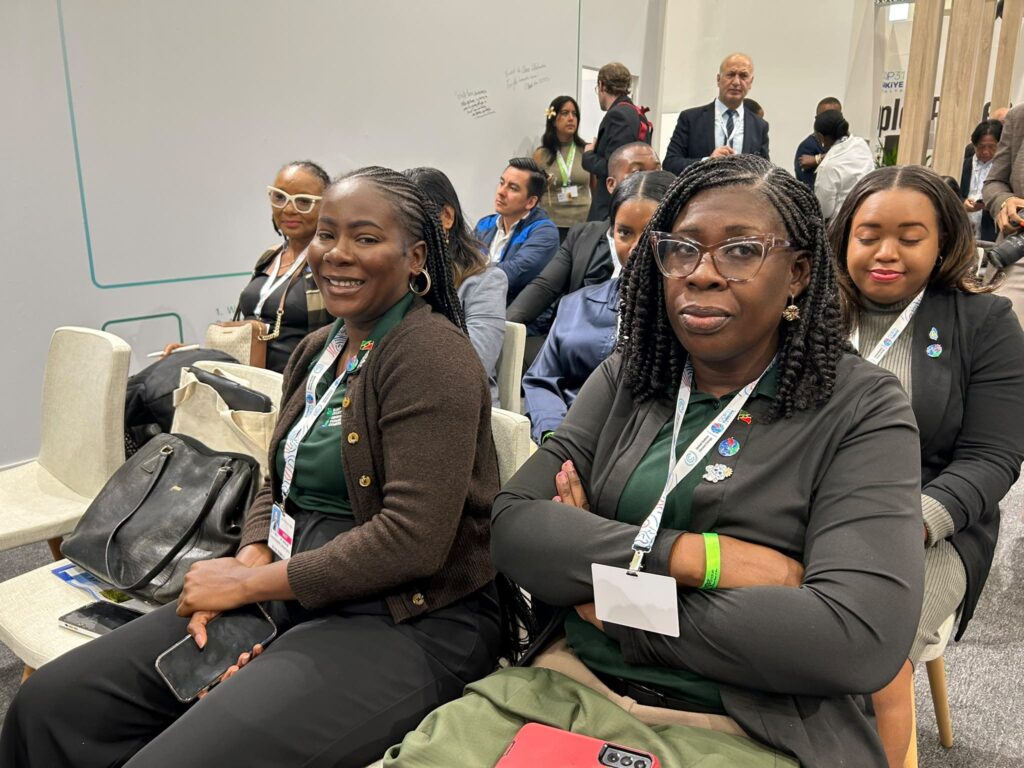
The initiative forms part of the Federation’s broader Sustainable Island State Agenda, which seeks to advance climate-resilient, inclusive and sustainable national development.
Concluding his remarks, Deputy Prime Minister Dr. Hanley reaffirmed the Government’s determination to turn the strategy into meaningful action.
“We are not merely documenting our losses. We are organizing our response. We are not simply identifying our vulnerabilities. We are strengthening our resilience,” he stated.
The launch marks an important advancement in St. Kitts and Nevis’ climate leadership, while providing an opportunity for regional cooperation and knowledge-sharing among Caribbean small island developing states confronting similar climate vulnerabilities.
– END –